
Last updated September 10, 2026
Full 25-point door and opener safety check with every visit - springs, cables, rollers, tracks, and your LiftMaster or Chamberlain opener included
You get a price before we start. It does not change when the truck arrives.
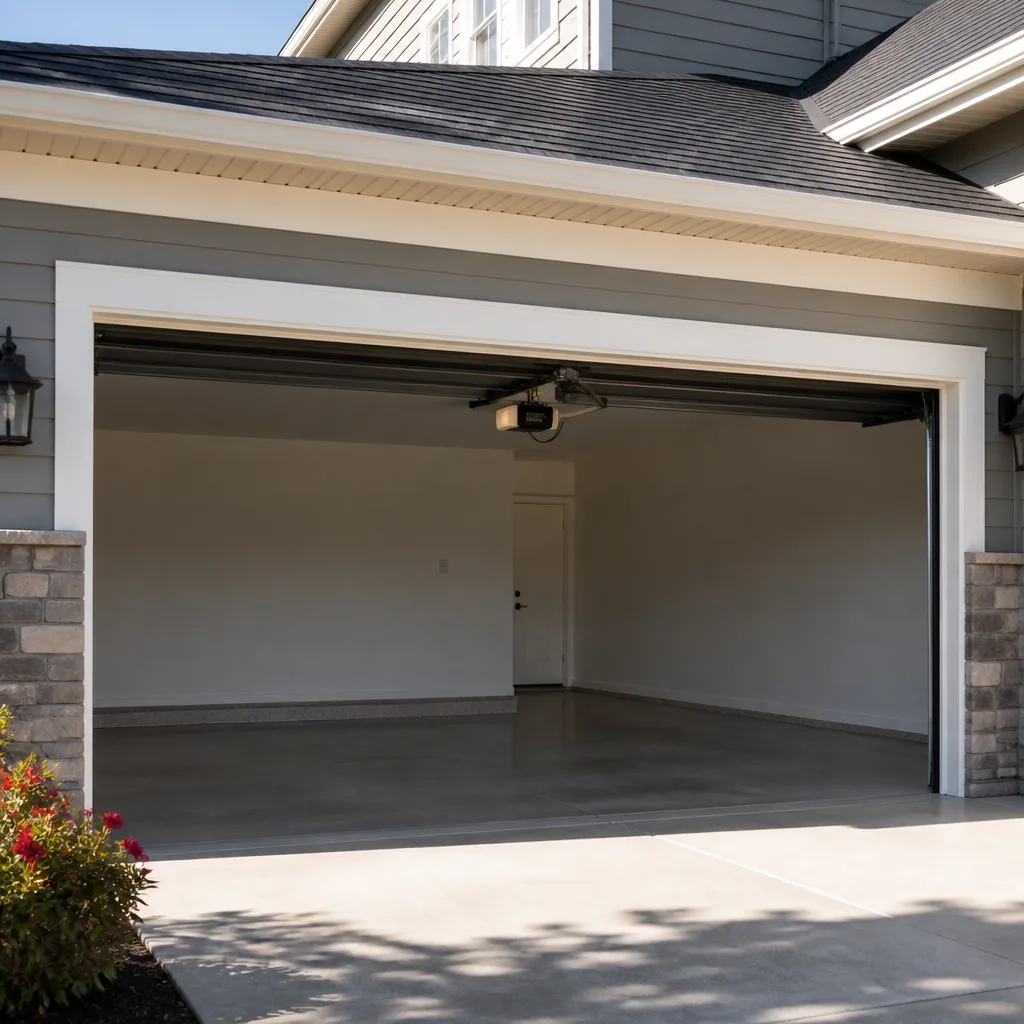
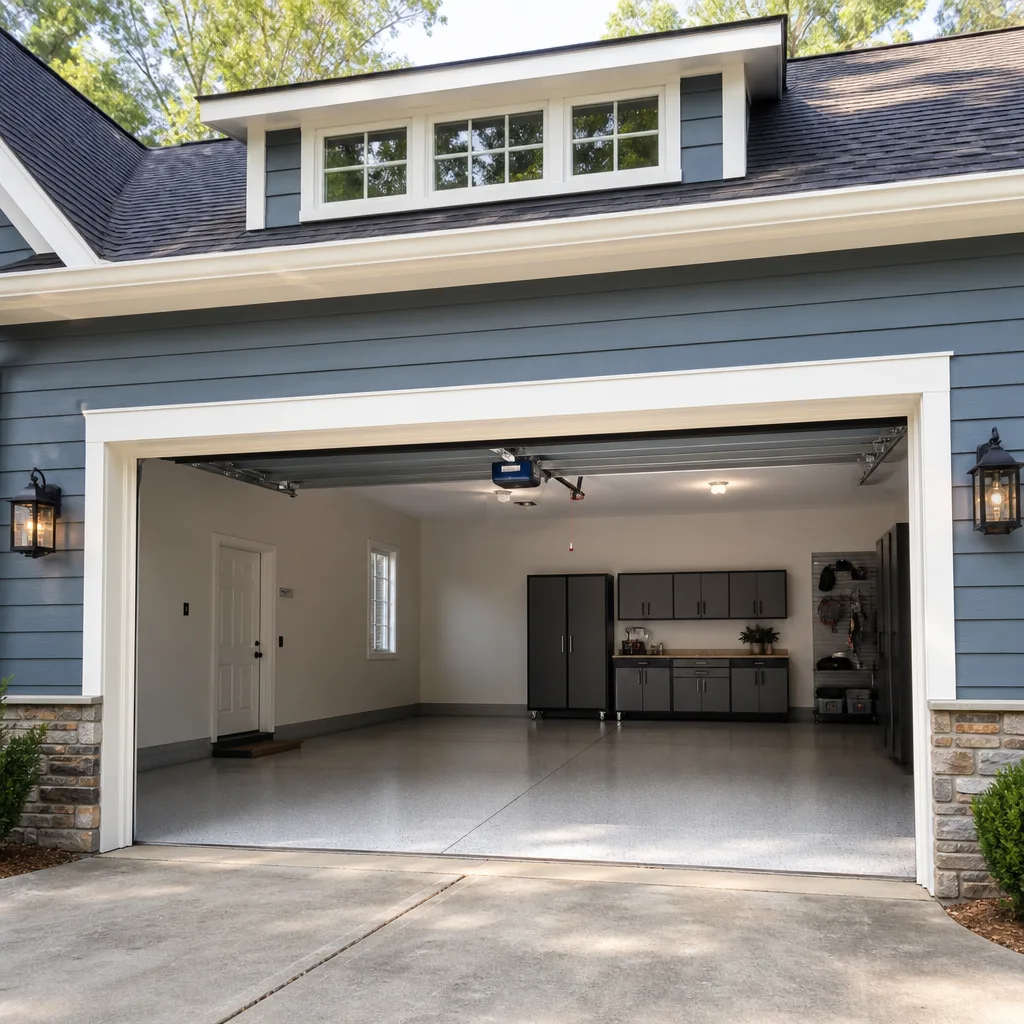
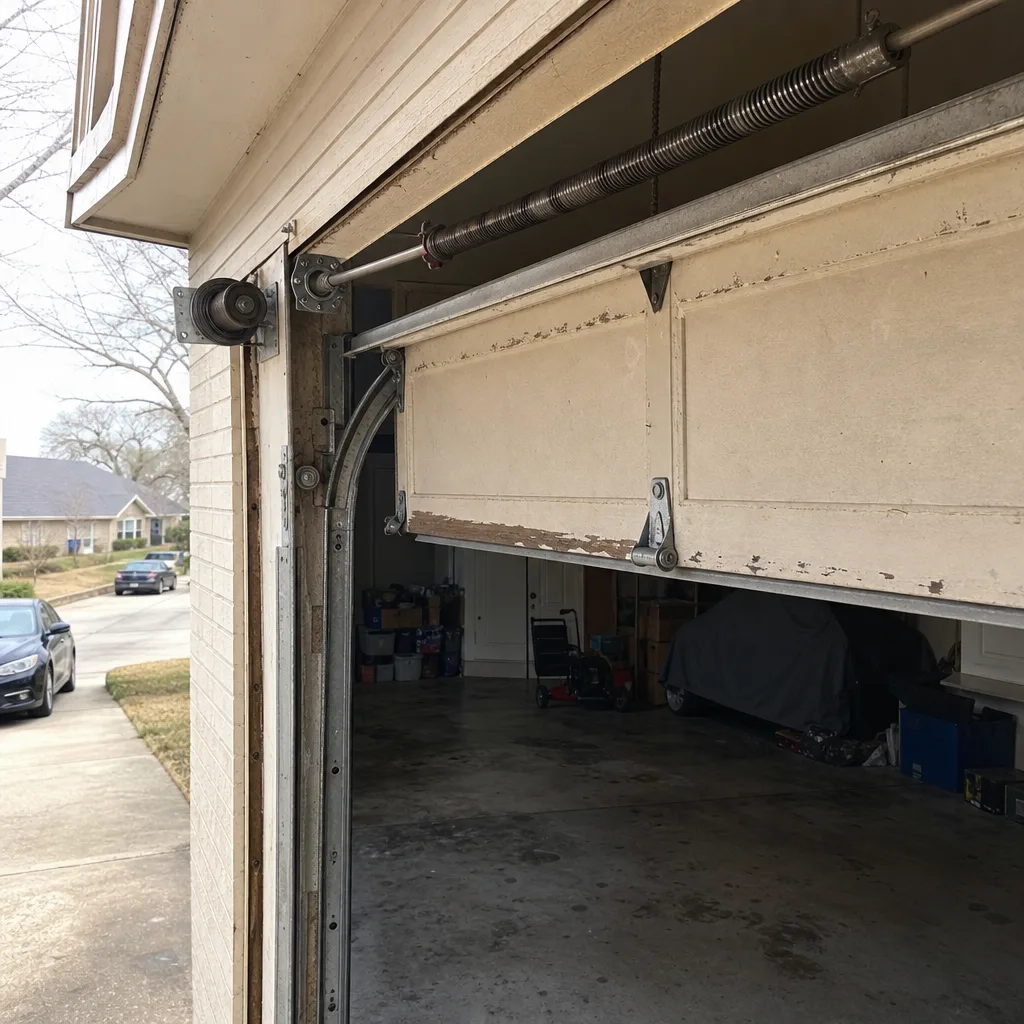 Before
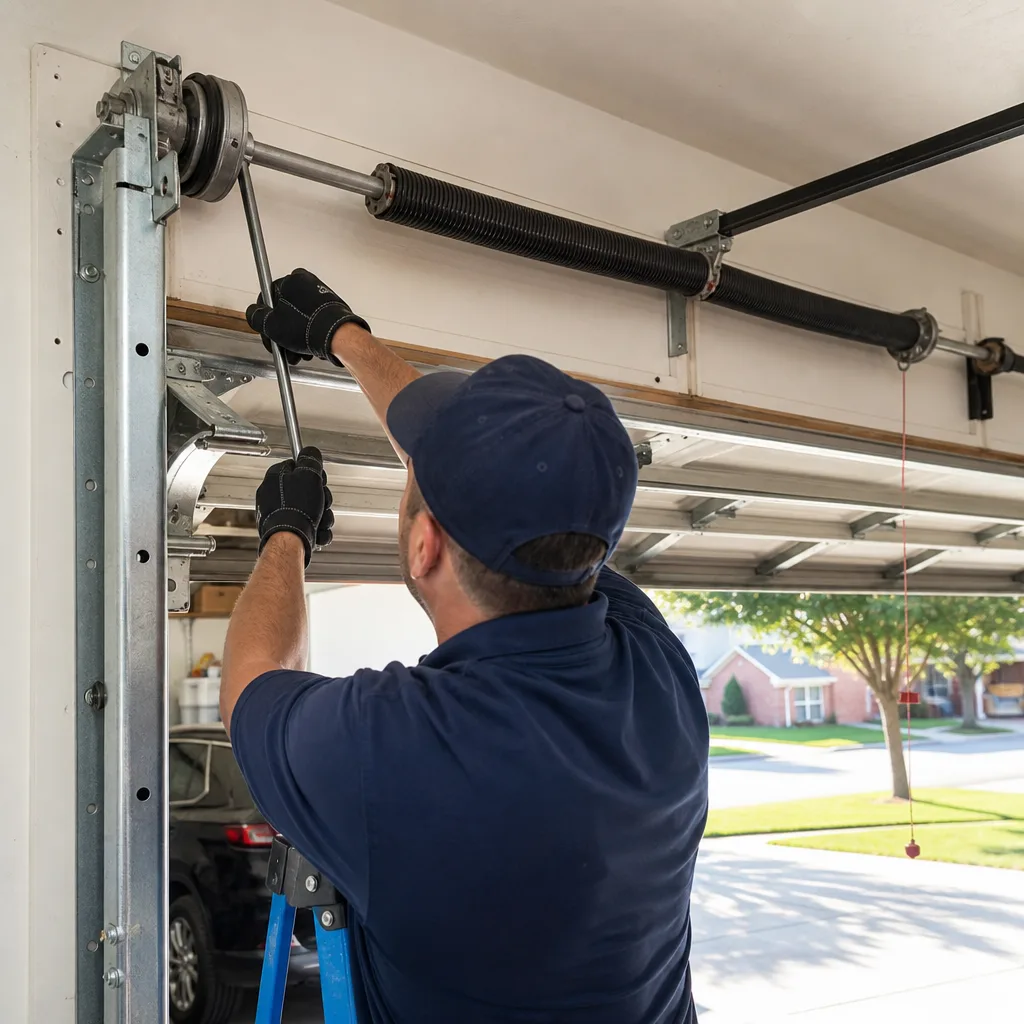 After
After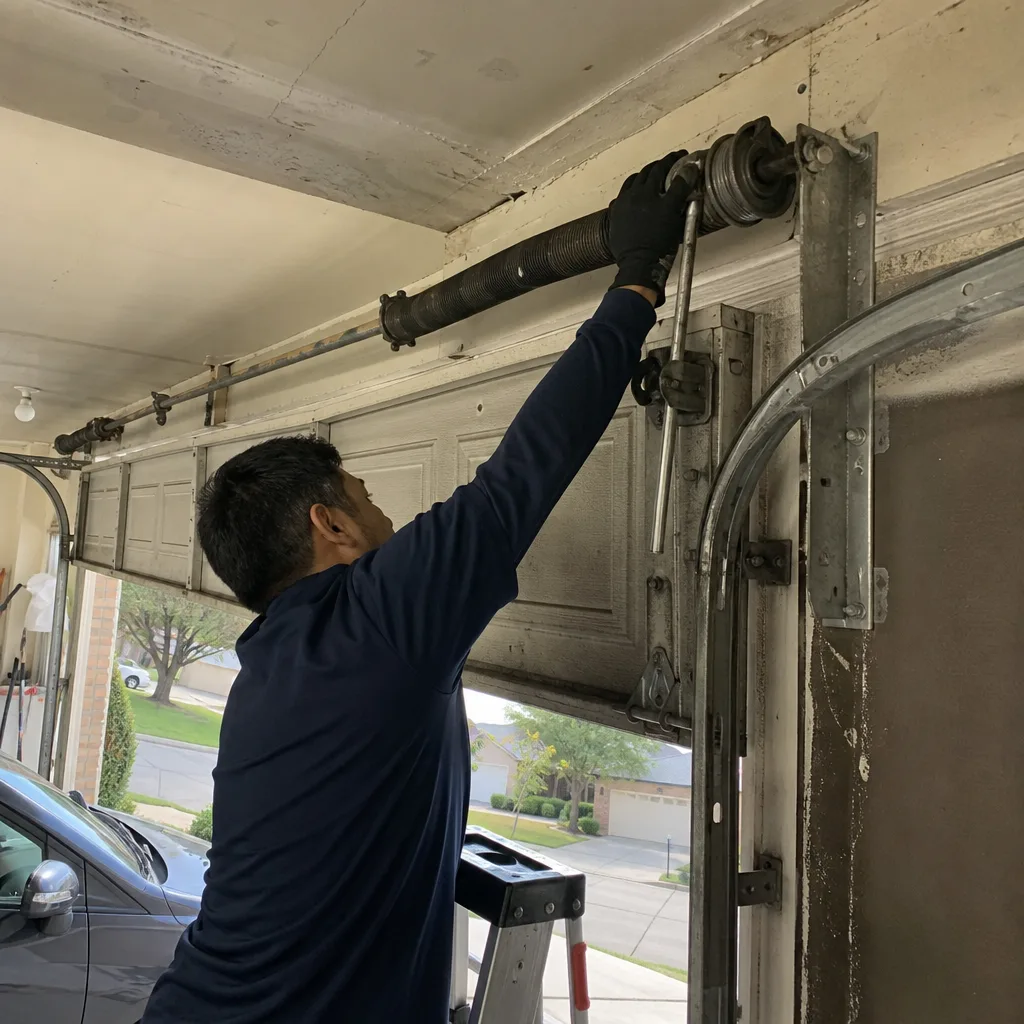 Before
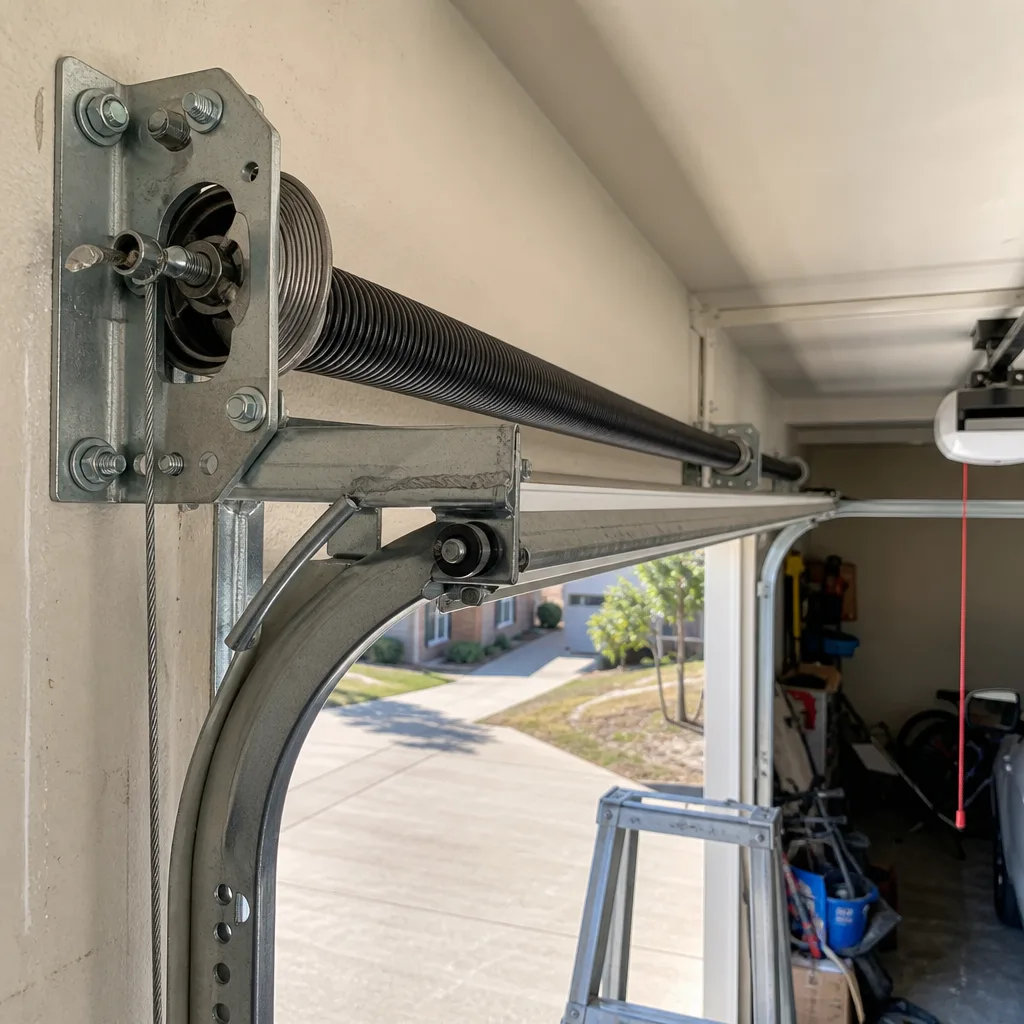 After
After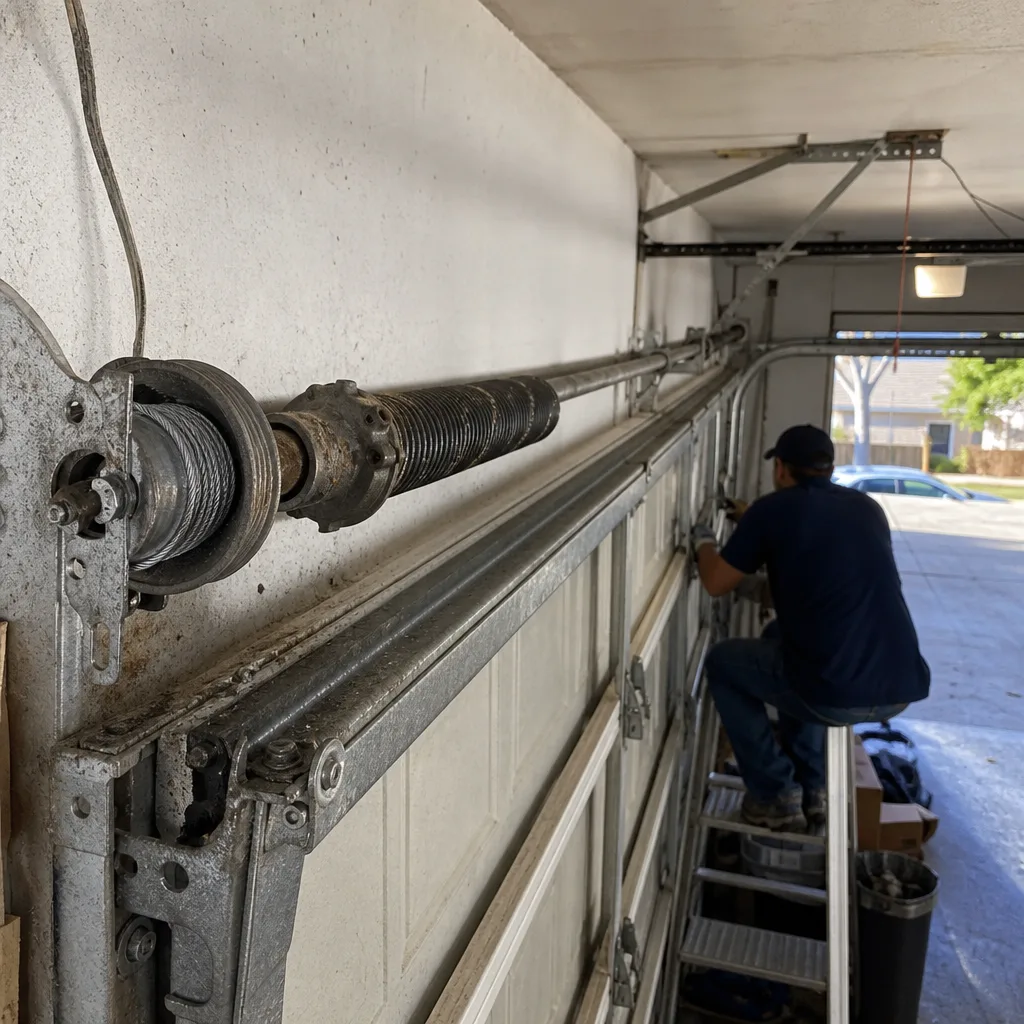 Before
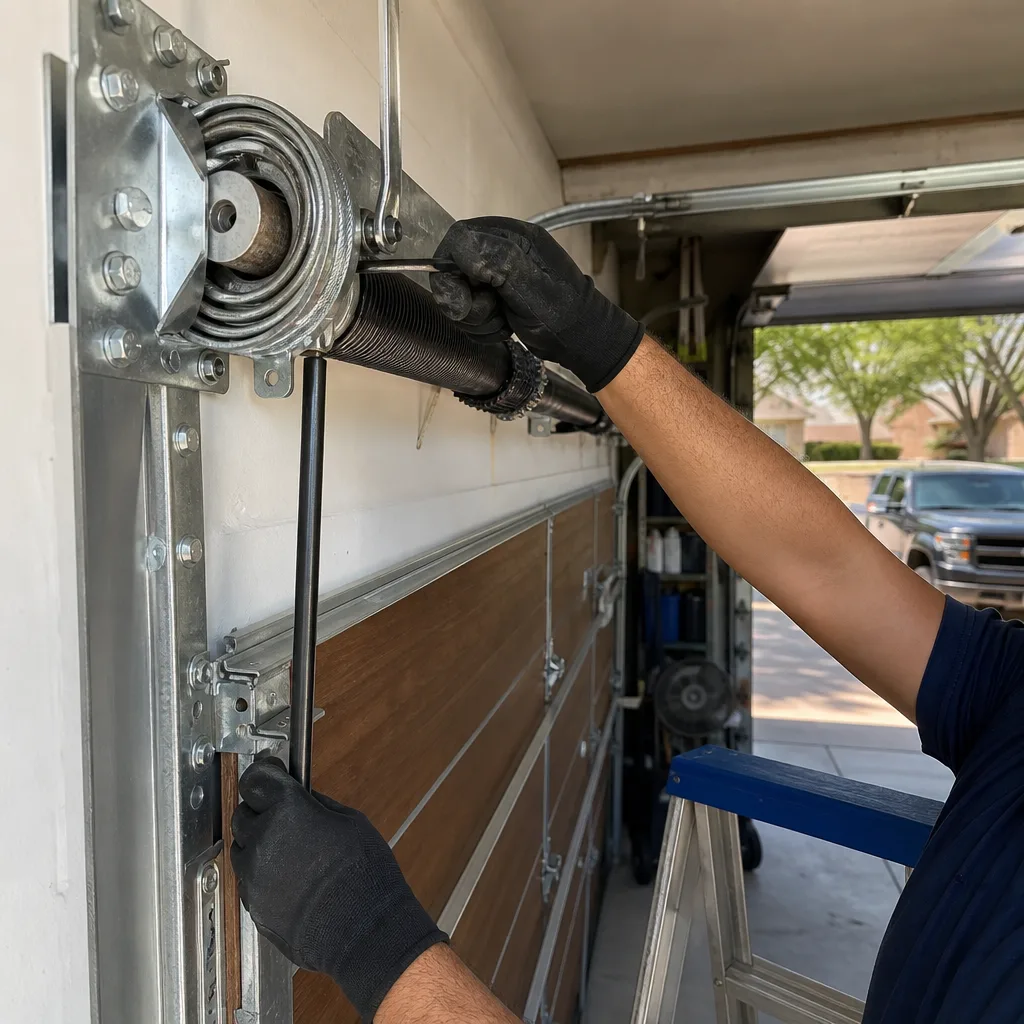 After
AfterGarage Door Permits, Codes & Inspections in TX: What You Need to Know
Most homeowners in Texas never think about a garage door permit until the moment it bites them. Last fall, a woman in Lewisville listed her house for sale, went under contract in four days, and then watched the closing date slide eleven days because a garage door opener swap she’d done in 2021 had never been permitted. Her contractor told her it wasn’t necessary. The city disagreed. This guide tells you exactly which garage door projects trigger a permit in Texas, what the inspector actually looks for, how to handle HOA conflicts, and how to check whether your existing door meets current wind-load code. If you live in Lewisville or anywhere in Denton County, this is the straight version, not the boiled-down national website version.
Quick Answer
In Texas, most garage door replacements and any work involving a new opening, header modification, or structural change require a city permit through your local building department. Simple repairs like spring replacement, panel repair, or opener swaps on an existing door usually do not, but some municipalities, including Lewisville, treat opener installation as electrical work requiring a permit if new wiring or a circuit is added. Verifying with your city before the work starts costs nothing and can prevent a delayed closing or a code violation on your property record. Watch for Garage Door Warning Signs: A Lewisville Homeowner’s Reference Guide to catch problems early.
Table of Contents
- When a Garage Door Permit Is Required in Texas
- Lewisville-Specific Permit Requirements for Garage Doors
- How the Texas IRC Affects Garage Door Code
- What a City Inspector Actually Checks
- HOA Rules vs. City Code: Which One Controls
- Wind-Load Requirements and Pre-2006 Doors
- How to Verify Your Existing Door Meets Code
- Common Mistakes to Avoid
- When to Call a Professional
- Frequently Asked Questions
- The Bottom Line
When a Garage Door Permit Is Required in Texas
Texas does not issue a single statewide garage door permit. The state adopts the International Residential Code as its baseline, then hands enforcement authority to each city and county. That means the rulebook in Lewisville is not identical to the rulebook in Frisco, Denton, or Flower Mound, even though they sit ten miles apart.
Here is the general pattern across most Texas cities. A permit is typically required when the work involves any of the following:
- Installing a new garage door opening where one did not exist before, including cutting into a load-bearing wall or adding a header.
- Widening or heightening an existing opening, which changes the structural load path and requires engineered drawings.
- Replacing a door that sits in a fire-rated wall between an attached garage and living space. The new door assembly must maintain the fire rating.
- Converting a carport to an enclosed garage, which triggers electrical, structural, and door code review.
- Running new electrical circuits for a garage door opener where no outlet existed before.
A straightforward door replacement in the same opening, same dimensions, on a non-rated wall, usually does not require a permit in most Texas cities. But “usually” is doing heavy lifting here, because a handful of municipalities treat any garage door replacement as a permit event for valuation and tax assessment purposes. In our experience across Denton County, roughly a third of the doors we install involve at least a courtesy call to the building department to confirm whether a permit applies.
The practical rule we give every homeowner we work with: if the work changes the structure, the electrical system, or the fire separation, assume a permit is required until the city tells you otherwise. The Otto’s Garage Door home page has our contact information if you want a straight answer on a specific project.
Lewisville-Specific Permit Requirements for Garage Doors
The city of Lewisville operates under its own adopted building codes and amendments. What we’ve seen consistently since 2004 is that the city treats garage door work on a case-by-case basis depending on three things: whether the opening changes, whether the wall is fire-rated, and whether new electrical work is involved.
Here is what you should know before you start a garage door project in Lewisville city limits:
- Simple door replacement, same opening, no structural change: No permit required. The city considers this maintenance-level work. You can pull the old door off, put a new one in the same rough opening, and nobody from the city needs to sign off.
- Opener installation on an existing circuit: No permit required in practice, but the city prefers that the opener be UL-listed and installed per the manufacturer’s instructions. If the installer runs new Romex from the panel or adds a dedicated circuit, that triggers an electrical permit.
- New opening or enlarged opening: Permit required, including a structural review of the header. This is not optional and the city does inspect these jobs.
- Fire-rated wall replacement: Permit required. The inspector verifies the door assembly, the frame, the self-closing device if applicable, and the weatherstripping.
- Carport to garage conversion: Full building permit required, including door, electrical, and sometimes foundation review.
One nuance in Lewisville: the city’s residential permit process moved to an online portal several years ago, and the building department has a helpful fence-line phone presence. A twenty-minute phone call can save you from an unpermitted modification on your record when you go to sell. We’ve walked multiple Lewisville homeowners through exactly that scenario, including a seller in the Vista Ridge area who needed a retroactive permit for an opener install where the previous contractor had added a non-permitted circuit. If you’re hiring now, read our guide on How to Hire a Garage Door Contractor in Lewisville: A Step-by-Step Guide first.
How the Texas IRC Affects Garage Door Code
The Texas International Residential Code adoption matters for garage doors in one specific way that almost no national website explains clearly: the IRC section on garages and carports treats the garage as a fire-separation zone, not just a storage room. When your attached garage shares a wall or ceiling with living space, that wall has a fire rating. Your garage door is part of that fire-separation assembly, even though the door itself faces the driveway.
The relevant IRC provisions most Texas cities enforce include:
- R309.1: Garages shall be separated from the dwelling unit and its attic area by not less than half-inch gypsum board applied to the garage side. Your door opening does not void this requirement, but the frame, jamb, and any penetrations do.
- R309.2: Openings from a private garage directly into a room used for sleeping purposes are prohibited. This rarely affects garage doors themselves but shapes how additions and conversions are reviewed.
- R302.5.1: The door between a garage and the residence must be solid wood or a listed steel door with a self-closing device. Again, not the overhead door, but inspectors walk through the whole garage during a permit inspection.
- Manufacturer listing on the overhead door: Most Texas cities require the door installed to be listed for the application and installed per manufacturer instructions. This is why a Chamberlain opener on a Clopay door is fine, but a frankensteined retrofitted assembly that was never designed to work together can fail.
The practical takeaway for a Lewisville homeowner is this: your attached garage is fire-separated from your house by code, and any garage door project that touches the framing around the opening can trigger a review of that separation. A new door in the same opening typically does not, which is why most replacements are quick. But a new opening on an attached garage almost always does.
What a City Inspector Actually Checks
If your garage door project does require a permit in Lewisville or another DFW city, the inspection is fast, usually ten to fifteen minutes. Here are the three most common failures we see on post-installation inspections across Denton County:
1. Missing or damaged fire-rated wall assembly behind the door frame
The inspector does not just look at the door. He looks at the rough opening before trim goes on, or he asks for photos. If the drywall on the garage side of the wall is missing, torn, or not the required thickness, the inspection fails. This is especially common in older Lewisville homes built before 2006 where the garage drywall was never upgraded.
2. Improper header or lintel support
When a door opening changes size, the header must be engineered for the span. An inspector will check the size, the number of plies, and whether the load path continues to the foundation. We’ve seen inspections fail because a contractor reused an old 2×10 header on a wider opening and hoped nobody would notice.
3. Electrical violations on new opener circuits
If a new outlet was added for the opener, the inspector checks GFCI protection (required in garages in most Texas cities), the box fill, and whether the circuit is properly grounded. A Genie or Chamberlain opener plugged into a non-GFCI outlet in a garage is a code violation in Lewisville, and the inspector will flag it even if the outlet was added years ago and the new work only touched the door.
Beyond those three, inspectors also verify that the door’s emergency release is functional, that the auto-reverse safety mechanism works (this applies to openers, not doors), and that the door itself is square and operating smoothly.
HOA Rules vs. City Code: Which One Controls
This is the question that generates the most phone calls to our shop from Lewisville, Highland Village, and Flower Mound homeowners. The answer is straightforward once you separate the two systems.
City code controls safety. The city of Lewisville does not care what color your door is, whether it has windows, or whether it matches the neighbor’s door. The city cares about fire separation, structural integrity, and electrical safety. If your HOA says one thing and the city code says another, the city code wins when the city inspects. Period.
HOA rules control appearance. Your homeowners association has deed restrictions that govern door style, color, materials, and sometimes even window placement. If your HOA requires carriage-house-style doors in a certain color palette, the city does not override that. The city will not enforce the HOA rule, but the HOA can fine you, place a lien on your property, or take you to court for violating the covenant.
When they conflict, here is the practical resolution path we recommend to every homeowner:
- Read the HOA covenant language first. Most HOAs in Lewisville list garage door appearance standards in their architectural guidelines.
- Check the city code requirements second. If the HOA wants a specific door that would, for example, compromise a fire-rated wall, the city code wins. The HOA will have to accept a code-compliant alternative.
- Submit the HOA architectural request early. Many HOAs take 30 to 60 days to approve a door change. Waiting until the week before installation creates pressure to cut corners.
- If there’s a genuine legal conflict, ask the HOA to put its position in writing. Then take that written position to the city building department and ask them to confirm the safety requirement in writing. The two documents side by side usually resolve the dispute without lawyers.
In practice, we rarely see true conflicts. Most Lewisville HOAs defer to city code for anything safety-related and enforce only appearance standards. But we’ve seen two cases where an HOA insisted on a particular door that was not fire-rated for the application, and in both cases the city’s requirement overrode the HOA.
Wind-Load Requirements and Pre-2006 Doors
North Texas sits on the edge of Tornado Alley, and while Lewisville is not on the coast where hurricane wind-load ratings dominate, the city has adopted wind-load provisions in its building code that became significantly stricter after the 2006 ICC code cycle. If your garage door was installed before 2006, there is a real chance it does not meet today’s wind-load rating for your specific exposure category.
Here is what that means in plain English. A garage door rated for wind load is engineered to resist inward and outward pressure during high-wind events. The rating is expressed in pounds per square foot and depends on your home’s location, exposure to open terrain, and the door’s width and height. A pre-2006 door in a Lewisville neighborhood with mature trees and other homes close by might be fine under current code. The same door on the edge of the county where a developer cleared twenty acres might not be.
To verify your existing door’s wind-load compliance, you need three pieces of information:
- Your home’s wind speed zone based on current Lewisville code maps, available from the city building department.
- Your exposure category (B, C, or D), which depends on surrounding terrain.
- The door’s manufacturer label, usually on the inside of the bottom panel or the side jamb, which lists the tested design pressure.
If that label is gone, faded, or was painted over, you’ll need to identify the door by model or have a professional assess it. Pre-2006 doors from Amarr, Clopay, and other major manufacturers often have their design pressure ratings in archived catalogs, but tracking down a twenty-year-old spec sheet is not something most homeowners have time for. That’s the kind of legwork we do for free when we quote a replacement in Lewisville.
How to Verify Your Existing Door Meets Code
If you’re not planning to replace your door but want to know whether it meets current code, here is the step-by-step verification process we recommend. This assumes you are in Lewisville or another Denton County city. Adjust for your municipality.
- Contact the city building department. In Lewisville, call the building inspections division and ask for the current wind-load requirements for your address. Have your lot and block number ready.
- Request a copy of any existing permits on file for your address. If a previous owner pulled a garage door permit, the city has a record of it. If they didn’t, that’s a signal to dig deeper.
- Find the manufacturer label on your door. It is typically stamped on the interior side of the bottom section or on the side jamb. Write down the manufacturer, model number, wind-load rating if listed, and the year of manufacture if visible.
- Compare the door’s rating to the city’s current requirement. If the door’s design pressure meets or exceeds the current requirement, you’re in good shape. If it’s lower, unlisted, or unknown, consider replacement or at minimum a wind-load retrofit.
- Check the opener’s safety reversal mechanism. Every automatic garage door opener in Texas must reverse when it contacts something or when the photo-eye beam is broken. Test this monthly. If the opener is old and the safety mechanism fails, the code compliance discussion becomes academic because you need an Garage Door Opener in Lewisville replacement anyway.
One more verification path: if you bought your home in the last five years, pull your seller’s disclosure from the closing packet. Texas sellers must disclose known defects and unpermitted work. If a previous owner disclosed an unpermitted garage door modification and you still bought the house, that’s now your responsibility to correct before a future sale.
Common Mistakes to Avoid
- Believing a contractor who says “no permit needed” without checking the city yourself. We see this most often with national chains whose installers are not local and do not know Dallas-area code variations. A thirty-second phone call to the Lewisville building department would have saved that woman eleven days at closing.
- Replacing a fire-rated door with a non-rated door to save money. If your attached garage shares a wall with living space, the door assembly must maintain the fire separation. A cheaper door is not worth the code violation.
- Skipping HOA architectural approval. The city does not enforce HOA rules, but the HOA enforces them with fines and liens. We’ve watched a Flower Mound homeowner install a beautiful Amarr door in the wrong color and then pay to have it repainted because the HOA rejected the application retroactively.
- Assuming opener replacement never requires a permit. In Lewisville, swapping an old Genie opener for a new Chamberlain on an existing outlet is permit-free. Adding a new outlet for an opener where none existed is electrical work requiring a permit.
- Painting over the manufacturer label on the door or frame. That label is your proof of wind-load rating and fire listing. Once it’s gone, verification becomes significantly harder.
- Waiting until you list the house to check permits. Retroactive permits in Lewisville are possible but they take time, and a pending home sale with an inspection contingency is the worst possible moment to start that process.
- Throwing away the door paperwork. Keep the receipt, the model number, and the permit (if applicable) with your house records. Future you or future buyers will need it.
When to Call a Professional
Some garage door decisions are straightforward enough to handle with a phone call to the city and a tape measure. Others are not. Call a professional when the project involves a new or enlarged opening, a fire-rated wall, any wiring, any wind-load retrofit, or any scenario where an HOA and the city appear to be telling you two different things. Call when the door you’re replacing predates 2006 and you can’t find the manufacturer label. And call when the risk of getting it wrong is measured in a delayed closing, a failed inspection, or a door that doesn’t meet code. Garage Door Installation in Lewisville is a job where the permit trail and the installation need to line up cleanly. Otto’s Garage Door offers free estimates in Lewisville, call (945) 777-4998.
Frequently Asked Questions
In most cases, no. A straightforward replacement in the same opening with no structural change and no new electrical work does not require a permit in Lewisville. A permit is required for new openings, enlarged openings, fire-rated wall work, or new electrical circuits. Call the city building department to confirm your specific project, or call us at (945) 777-4998 and we’ll tell you what we’ve seen the city require on similar jobs.
Permit fees vary by city, but for residential garage door work in Lewisville, the permit fee is typically based on the project valuation and runs in the low to mid double digits for simple permits and higher for structural work. The cost of not having a permit if one was required is always higher. Call (945) 777-4998 for a straight answer on your specific project, estimates are free.
Yes, if a permit was required, the city will perform a final inspection. The inspector checks the fire-rated wall assembly, the header, the electrical work, and the door’s overall operation. Most inspections pass the first time when the work was done correctly, but the three failures we see most often are missing fire-rated drywall behind the frame, undersized headers on new openings, and non-GFCI outlets on opener circuits. For a Garage Door Repair in Lewisville contact us and we’ll help you understand what applies to your situation.
Yes, if your HOA has architectural guidelines that cover garage doors, you need HOA approval before installation regardless of whether the city requires a permit. The city controls safety, the HOA controls appearance, and both can reject different aspects of the same project. Submit the HOA request early; many boards take 30 to 60 days.
Lewisville’s wind-load requirements depend on your address, exposure category, and the size of the door opening. A home in a mature neighborhood with surrounding structures may have lower rated requirements than a home on the edge of the city with open exposure. Check the manufacturer label on your current door for its design pressure rating and compare it to the city’s current requirement. Pre-2006 doors often fall short.
If you’re replacing an existing opener on an existing electrical outlet, no permit is required in most Texas cities including Lewisville. If you’re adding a new outlet or running new wiring, that is electrical work and does require a permit. The electrical code in garages requires GFCI protection, and an inspector will fail an outlet that doesn’t have it.
The Bottom Line
Garage door permits in Texas are a patchwork of local enforcement, and the only way to know for sure whether your project requires one is to ask the city that inspects your address. Most simple replacements in Lewisville are permit-free, but anything touching the structure, the fire wall, or the electrical system needs city review. HOA rules layer on top of city code and control appearance only, not safety. And pre-2006 doors may not meet today’s wind-load requirements, even if they’ve worked fine for twenty years. Verify before you list, before you install, and before you sign a contract. Ten minutes on the phone with the building department beats eleven days of delayed closing.
Written by Otto Reinhardt, Owner at Otto’s Garage Door, serving Lewisville since 2004.